

Summary
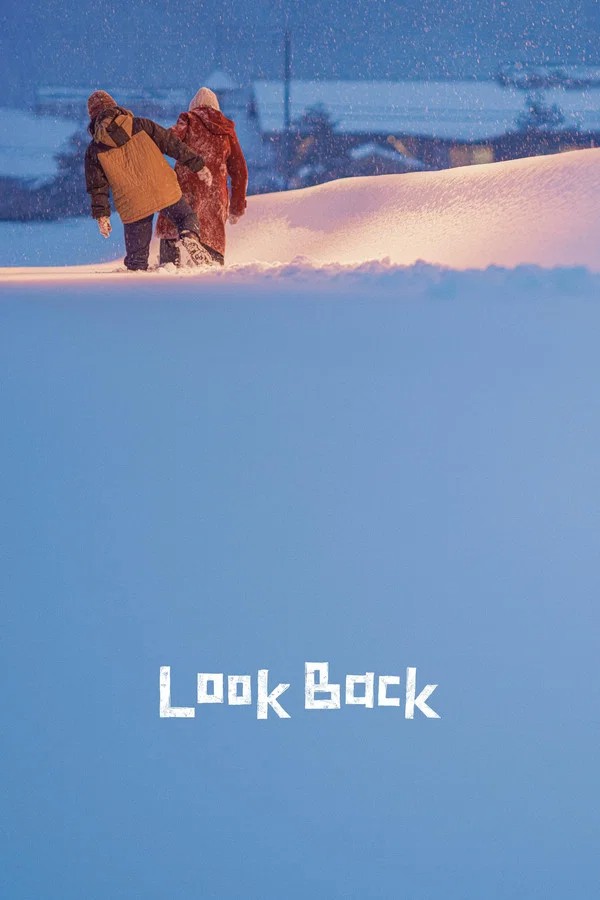
Hirokazu Kore-eda’s adaptation of a beloved manga and anime is filled with heart, grief and the importance of making art.
An adaptation of Tatsuki Fujimoto’s manga, already the subject of Kiyotaka Oshiyama’s 2024 anime film, may not seem like obvious fodder for Hirokazu Kore-eda. After all, the vast majority of the Palme d’Or-winning director’s filmography consists of original works. Yet moments into this examination of childhood isolation and connection, where play is a serious enterprise, it’s clear why the creative voice behind Nobody Knows and Monster was perhaps the only choice.
From the opening shot, a close-up of a manga panel already in progress, Kore-eda seems to speak directly to the story’s own journey across mediums. He initially focuses on Fujino (Furi Nanase), a popular student thanks to her weekly manga strips, and her resentment of the reclusive Kyomoto (Rokka Okada), who stays at home due to severe anxiety. Fujino believes her own talent surpasses Kyomoto’s, despite never having met her.
When the two finally meet, they discover a shared love of creating art. Their friendship quickly becomes inseparable, and they find success working together, each bringing something the other lacks. As they grow older (now played by Natsuki Deguchi and Aju Makita, respectively), they also discover that creative obsession comes at a cost, while the weight of growing up is never far away.
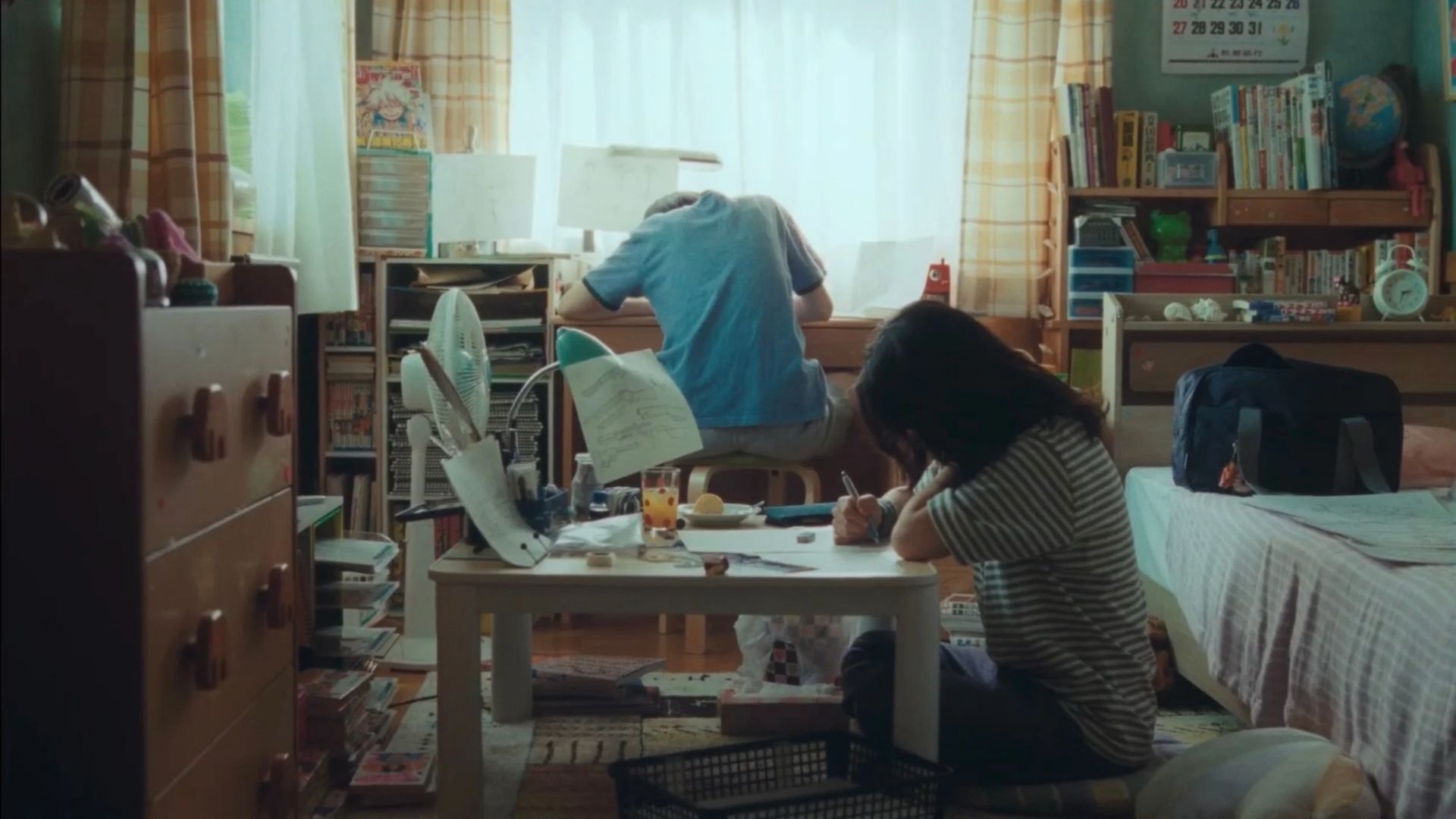
Kore-eda keeps to the same main beats as Oshiyama’s anime, beautifully crafting a story about the enduring nature of art and friendship. The joy of finding someone who matches and jumpstarts your creative energy will resonate with every artist. Yet where Oshiyama told that story in under an hour, Kore-eda almost doubles that length. You may quibble that the earlier Look Back was already a perfect bubble, but Kore-eda takes that extra time to linger on the details and deepen the emotional connection between the leads.
With his naturalist brush, Kore-eda steeps every moment in quiet observation. There are times when Kore-eda and cinematographer Senzo Ueno’s camera is happy to simply observe ‘Kyo Fujino’, as they call themselves professionally. Here, it’s as much about the process of making art as it is about their friendship. At other times, there are pristine winter landscapes that look as though they were painted by Bruegel, or the faded blossoms and muted greens of spring. Each tonal shift has its own distinct colour palette.
Of course, those familiar with the story will know the importance of doorways, and the divergent paths they lead down. When a critical turning point comes, Kore-eda’s innate understanding of these intimate relationships of childhood steers the film away from melodrama in the final act and makes us feel every ounce of the memory and struggle involved in ‘looking back’.
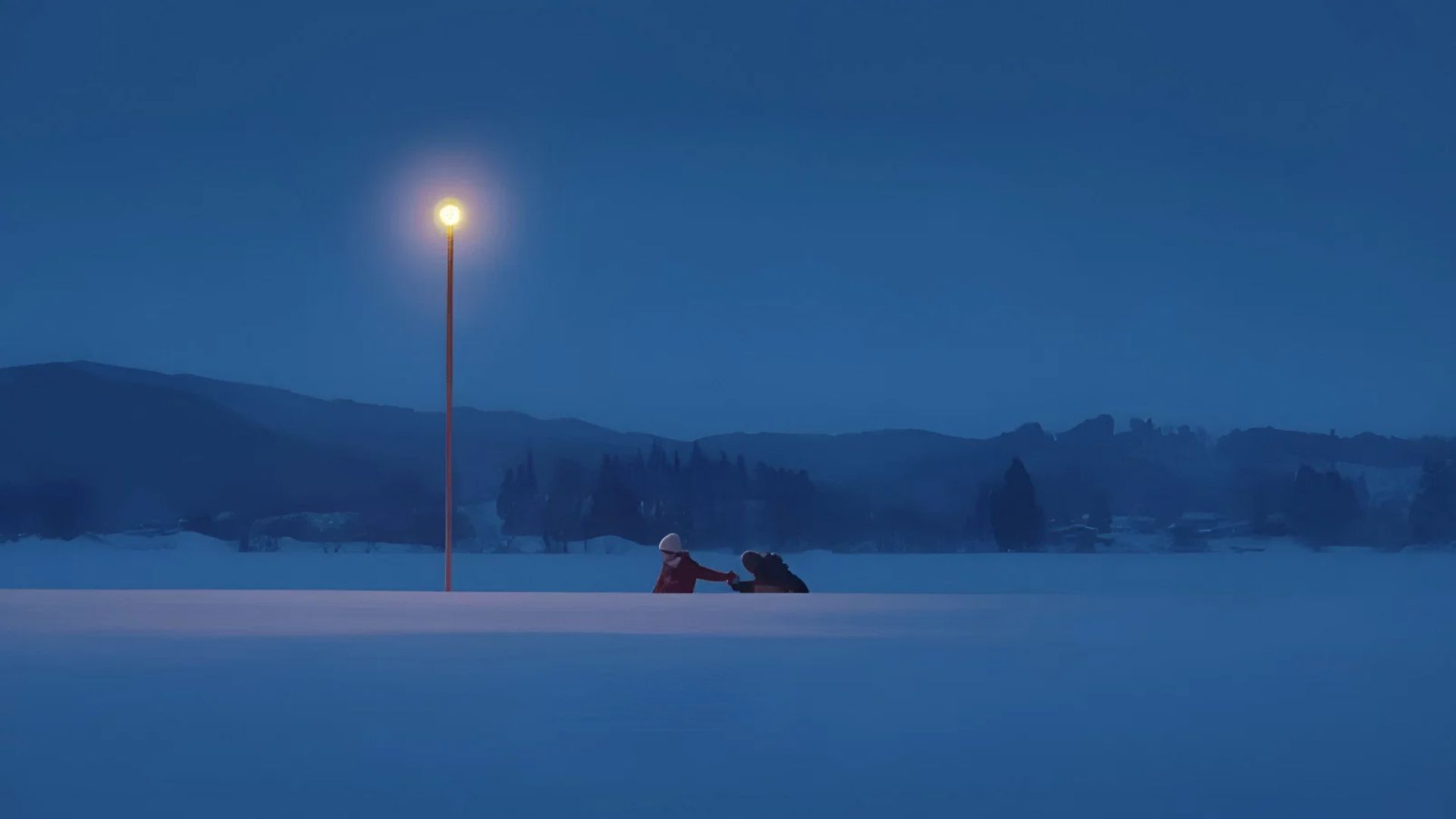
None of this would be possible without the stellar performances of Deguchi and Makita, the latter of whom has now worked with Kore-eda at least half a dozen times across film and television. Both performances are compact but powerful, with much of their chemistry formed in reflective silence or the scratch of a pen.
Even knowing where it’s all going, Look Back manages to draw you in, gradually unravel you and leave you with hope. It’s amazing how this story, even with three bites at the cherry, can do this. The film repeatedly suggests that all manga artists dream of an anime adaptation as a measure of success. Perhaps they can now add a reworking by a modern master of Japanese cinema as a worthy stretch goal.
2026 | Japan | DIRECTOR: Hirokazu Kore-eda | WRITER: Hirokazu Kore-eda (based on the manga by Tatsuki Fujimoto) | CAST: Natsuki Deguchi, Aju Makita, Furi Nanase, Rokka Okada | DISTRIBUTOR: K2 Pictures(Japan), Palace Films (Australia)| RUNNING TIME: 100 minutes | RELEASE DATE: 11 September 2026 (Japan), 3 December 2026 (Australia)